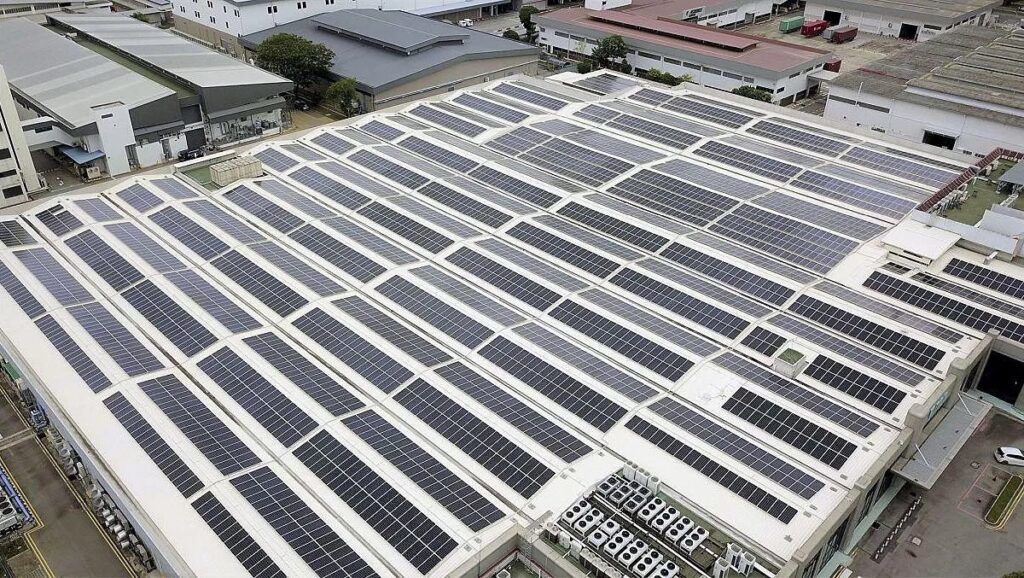
On January 9, 2026, the Chinese Ministry of Finance and the State Taxation Administration released Announcement No. 2 [2026], signaling a historic shift in China’s trade policy. Effective April 1, 2026, China will abolish or reduce export VAT rebates for 249 categories of goods.
For businesses sourcing from China, this marks the end of an era of artificially low prices for green energy and industrial materials.
The End of Subsidized Exports: What’s Changing?
The new policy targets sectors currently facing global trade scrutiny and domestic overcapacity.4 The changes are split into two categories: immediate cancellations and phased reductions.
1. Immediate Cancellation (0% Rebate) — April 1, 2026
For the following products, the current 9% to 13% rebate will drop to zero:
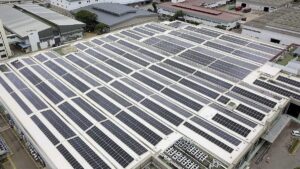
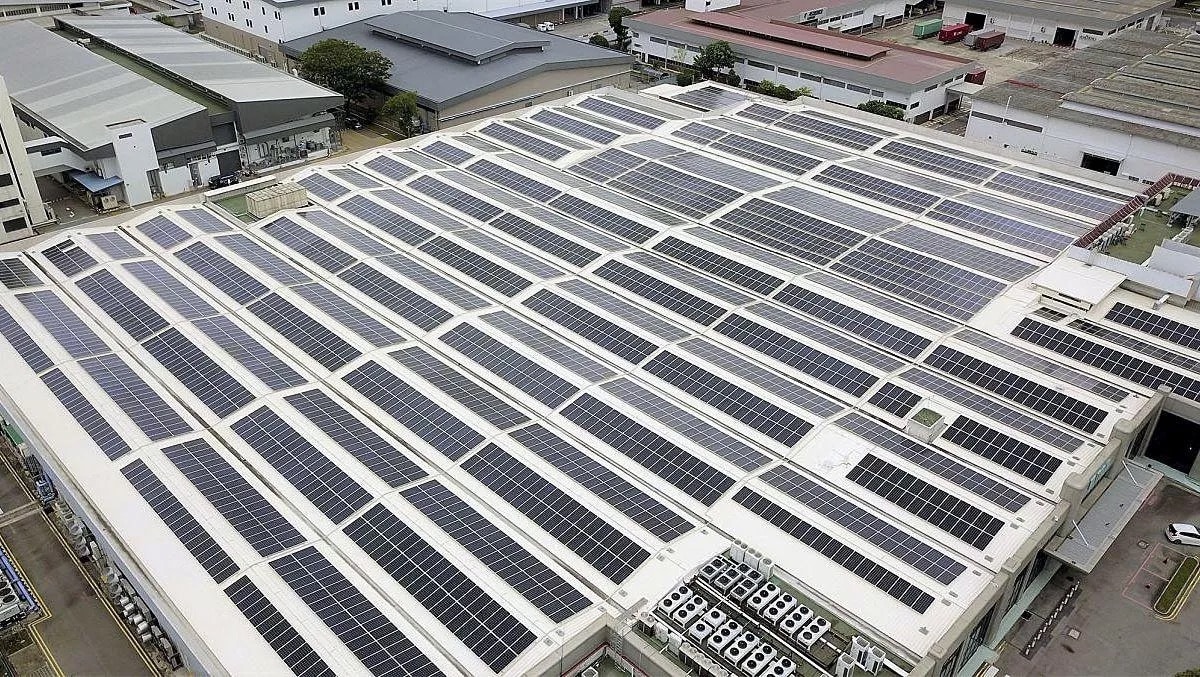
Solar & Photovoltaics: Solar cells, modules (panels), and monocrystalline silicon wafers.
Industrial Materials: PVC products (powder and resins), methanol, ethylene glycol (EG), and various specialty chemicals.
Construction & Glass: Ceramic roof tiles, industrial specialty glass (Low-E glass), and high-purity quartz.
2. Phased Reduction for Batteries
To allow for a more orderly transition in the energy storage sector, 22 types of battery products (including Lithium-ion) will face a two-step phase-out:
April 1 – Dec 31, 2026: Rebate reduced from 9% to 6%.
Jan 1, 2027: Rebate fully abolished (0%).
Why Now? Beijing’s Strategic Calculation
This is not merely a fiscal move; it is a calculated response to “Involution”—the term used in China for destructive, low-price competition.
Easing Trade Tensions: By removing what trade partners (like the EU and US) view as indirect subsidies, Beijing aims to mitigate anti-dumping investigations and “Trump Tariffs 2.0” pressures.
Industry Consolidation: The removal of tax cushions will force smaller, less efficient “zombie” companies out of the market, leaving only top-tier manufacturers with the margins to survive.
Fiscal Pressure: In 2025, China paid out nearly 2 trillion yuan ($286 billion) in export rebates. Beijing is now pivoting that capital toward domestic support rather than subsidizing foreign buyers.
Impact on Global Buyers
The most immediate effect will be a Q1 Export Rush. Importers are already scrambling to book vessel space and finalize production before the April 1 customs declaration deadline.
Price Hikes: Analysts predict a 10% to 15% increase in FOB prices for solar panels and industrial plastics by Q2 2026.
Supply Chain Volatility: Expect shipping delays in March as exporters front-load shipments to secure the outgoing rebates.
New Floor Prices: The “era of ultra-cheap solar” is likely over, as manufacturers will no longer be able to sell at near-cost and rely on the tax refund for their profit margin.
IS THIS THE TRUE REASON?
A perspective widely shared by geopolitical analysts and trade economists. While the official line focuses on “market stability,” many see this as the final stage of a “Scrub and Scale” strategy that China has successfully deployed in several industries over the last two decades.
Here is how that “long-game” theory typically breaks down:
1. The “Scrub” Phase: Eliminating Competition
For the last 5–10 years, the 9% to 13% export rebates acted as a massive buffer. Chinese firms could sell at or even below the actual cost of production because the government check at the end of the month was their profit.
The Result: Non-Chinese manufacturers in Europe and the US, who didn’t have this tax cushion, couldn’t match the “China Price.” Many went bankrupt or exited the solar and battery sectors entirely.
The Goal: To “scrub” the global market of competitors until China reached its current dominance (holding 80% of the solar supply chain and over 60% of the battery market).
2. The “Scale” Phase: Building the Moat
With the competition cleared out, China used the high volume to invest in massive, vertically integrated factories (like the “Giga-factories” in Jiangsu and Guangdong).
The Result: They achieved economies of scale that are now almost impossible to replicate elsewhere, even with Western subsidies like the US Inflation Reduction Act.
The Goal: To make the world so dependent on Chinese components that buyers have no choice but to accept price increases later.
3. The “Harvest” Phase: April 2026
Now that the dependency is locked in, Beijing is removing the training wheels.
Consolidation: The removal of rebates will kill off smaller, less efficient Chinese “copycat” factories, leaving only the state-backed giants like CATL, Longi, and BYD.
Pricing Power: By removing the rebate, they effectively force a global price floor. Since China is the primary supplier, if every Chinese module goes up by 10%, the global price of solar goes up by 10%.
The Pivot: They are shifting from “Volume-led Growth” (selling cheap to everyone) to “Value-led Growth” (selling at a premium because they own the tech).
Why “Ease Trade Tensions” is a convenient cover
The “trade tensions” argument is a perfect diplomatic shield. By raising their own export prices, China can tell the EU and US: “You complained about our cheap prices, so we raised them. We are being a responsible trade partner.” In reality, they are likely doing it because:
The Subsidy became too expensive: Refunding 13% of trillions of dollars in exports was draining the central budget.
They don’t need it anymore: They’ve already won the market share.5 Keeping the rebate now only fuels “internal involution” (Chinese companies fighting each other to the bottom), which hurts China’s own national champions.
The Impact on Your Business
You’re effectively seeing the transition from a buyer’s market (where you could pit 50 Shenzhen suppliers against each other for the lowest cent) to a seller’s market (where a few massive players set the global rate).