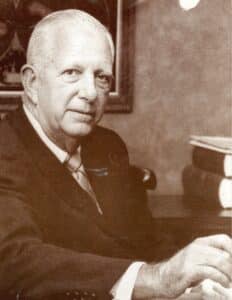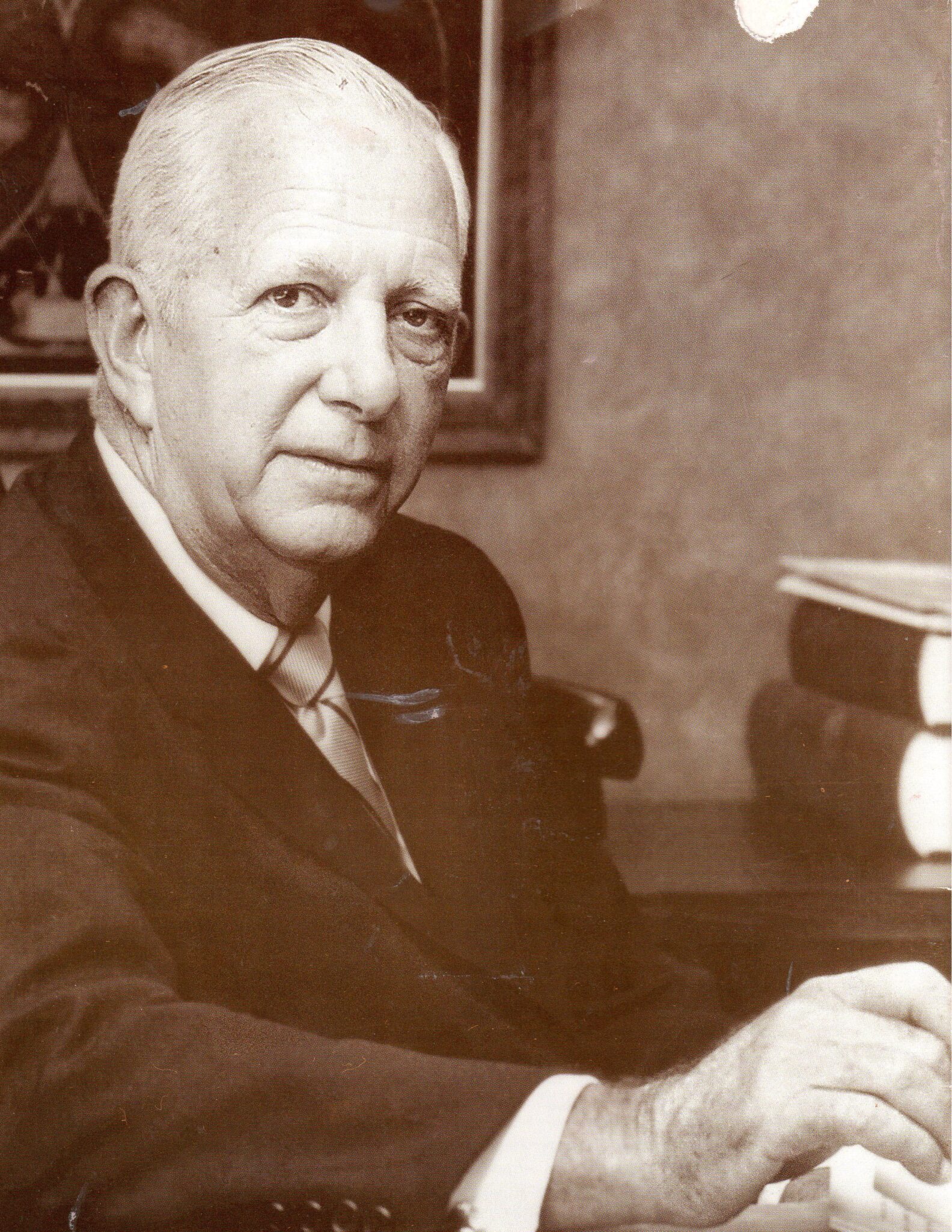
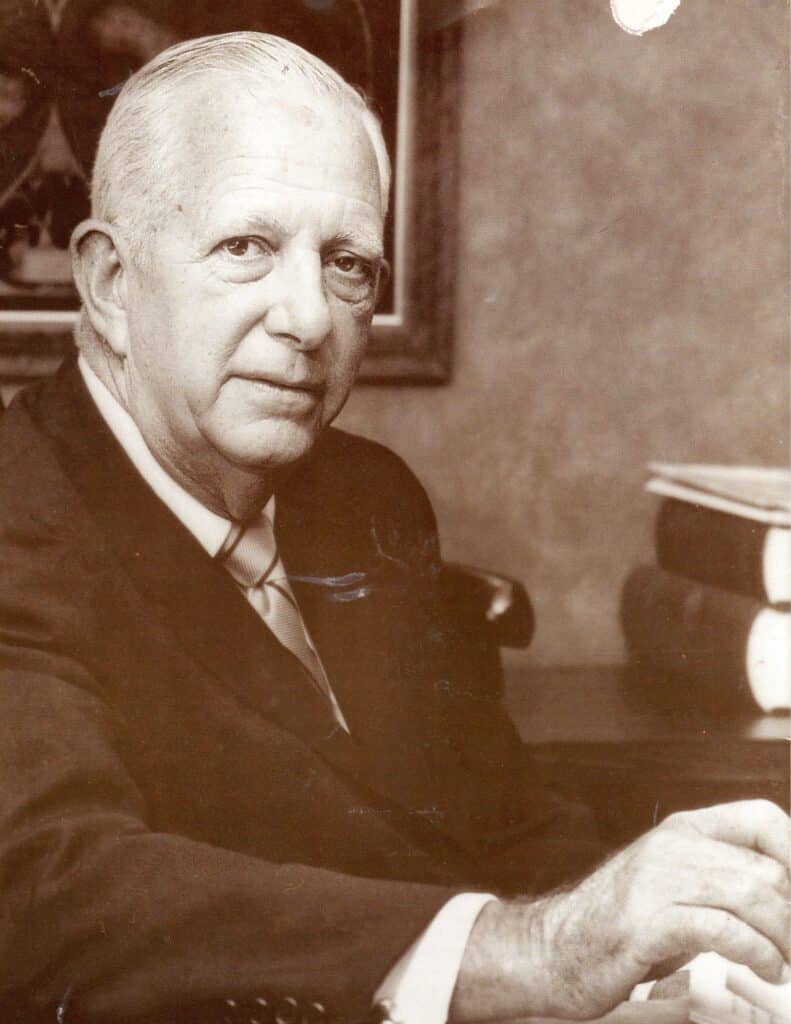
Malcom McLean
The Father of modern global logistics
The modern standardized shipping container was invented by an American trucking magnate named Malcom McLean. While people had been using various types of wooden or iron boxes to move goods for decades, McLean changed everything in 1956 by developing the first completely integrated, intermodal shipping system.
The Breakthrough Idea
In the 1930s, while sitting in his truck waiting hours for workers to unload his cargo and pack it piece-by-piece onto a ship, McLean realized how incredibly inefficient the “break-bulk” system was. He thought: Why not just lift the entire truck trailer onto the ship? Years later, he sold his successful trucking business, bought a shipping company, and worked with engineer Keith Tantlinger to design the container we recognize today.
Why His Design Won
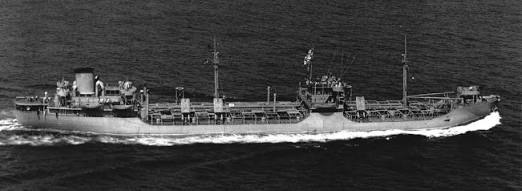
McLean didn’t just invent a box; he engineered a standard system that fundamentally reshaped global trade: The Intermodal Box: The containers could seamlessly transition from a flatbed truck to a train car, and then onto a cargo ship, without anyone ever touching the cargo inside. The Twist-Lock Corner: Tantlinger designed a heavy-duty corner casting with a twist-lock mechanism. This allowed cranes to safely lift the containers and secure them on top of one another. The First Voyage: On April 26, 1956, McLean’s retrofitted tanker, the SS Ideal-X, carried 58 containers from Newark, New Jersey, to Houston, Texas.
The Impact on Global Trade Before McLean’s standardized system, loading a ship cost roughly $5.86 per ton in 1956 dollars. Once containerization took off, that cost plummeted to just $0.16 per ton. To accelerate global adoption, McLean generously allowed the International Organization for Standardization (ISO) to use his patented corner-lock design royalty-free. This paved the way for the universal 20-foot and 40-foot containers (TEUs) that drive global supply chains today.